
top 10 Modern art changed the way people understand painting. Instead of simply reproducing people, landscapes, or historical events, modern artists experimented with color, shape, emotion, perspective, symbolism, and new techniques. From the late 19th century through the 20th century, artists created paintings that challenged traditional ideas and influenced generations of painters and art lovers.
Vincent van Gogh’s The Starry Night is one of the most recognizable paintings in modern art. Created in 1889, the painting presents a dramatic night sky filled with swirling stars above a peaceful village. Van Gogh used energetic brushstrokes and strong colors to create movement and emotion in top 10 modern art.
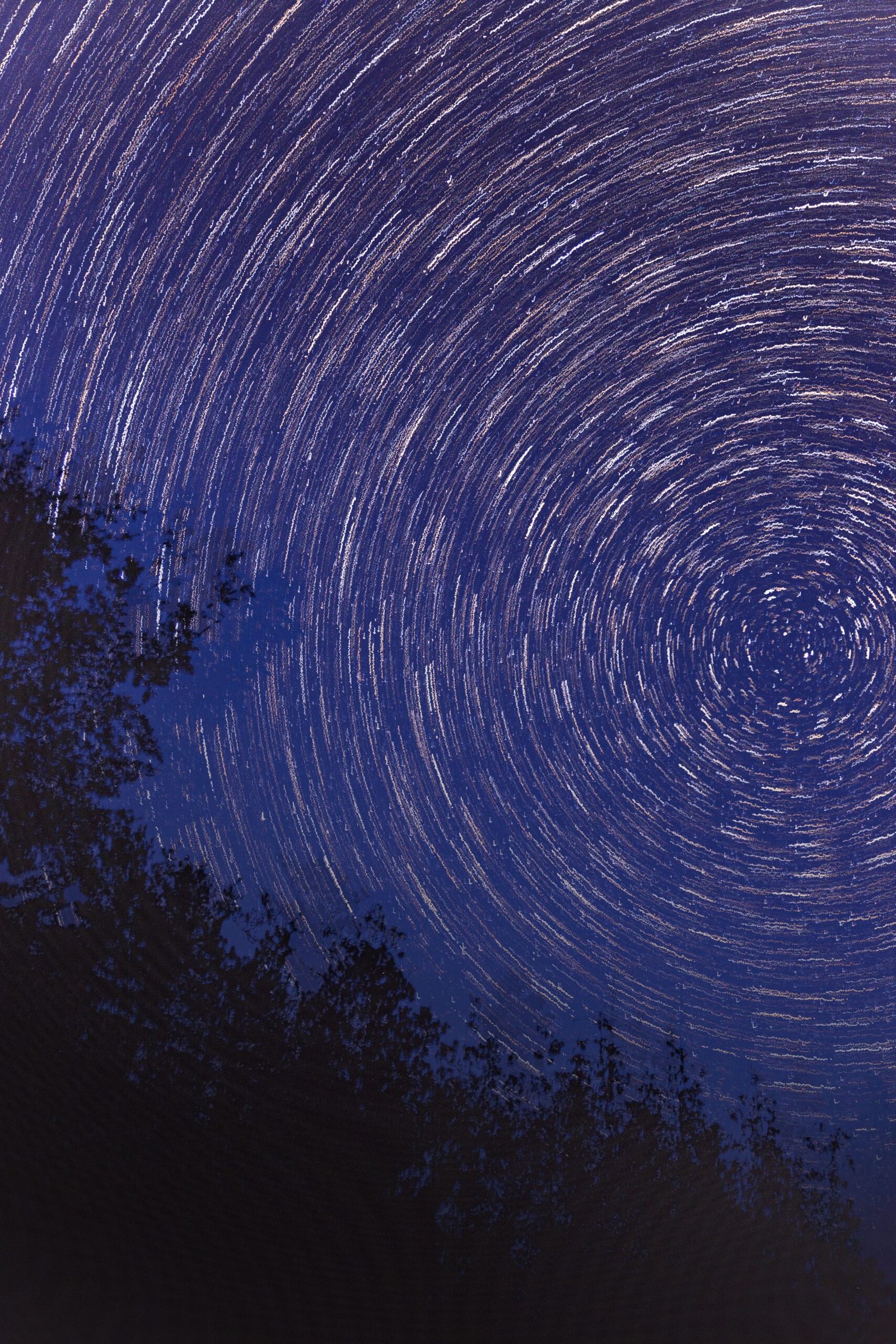
2. Les Demoiselles d'Avignon – Pablo Picasso
Created in 1907, Les Demoiselles d’Avignon became an important turning point in the development of modern art. Pablo Picasso broke traditional ideas about perspective and human figures by presenting the subjects through sharp geometric forms.
The painting played an important role in the development of Cubism, an artistic movement that changed how objects and people could be represented.

3 . The Scream – Edvard Munch
modern art which is Edvard Munch’s The Scream is one of the most powerful images in modern art. Created in 1893, the work depicts a figure appearing to cry out against a dramatic sky.
Its distorted forms and intense colors communicate feelings of anxiety, fear, and emotional distress. The painting continues to influence artists, designers, filmmakers, and popular culture.
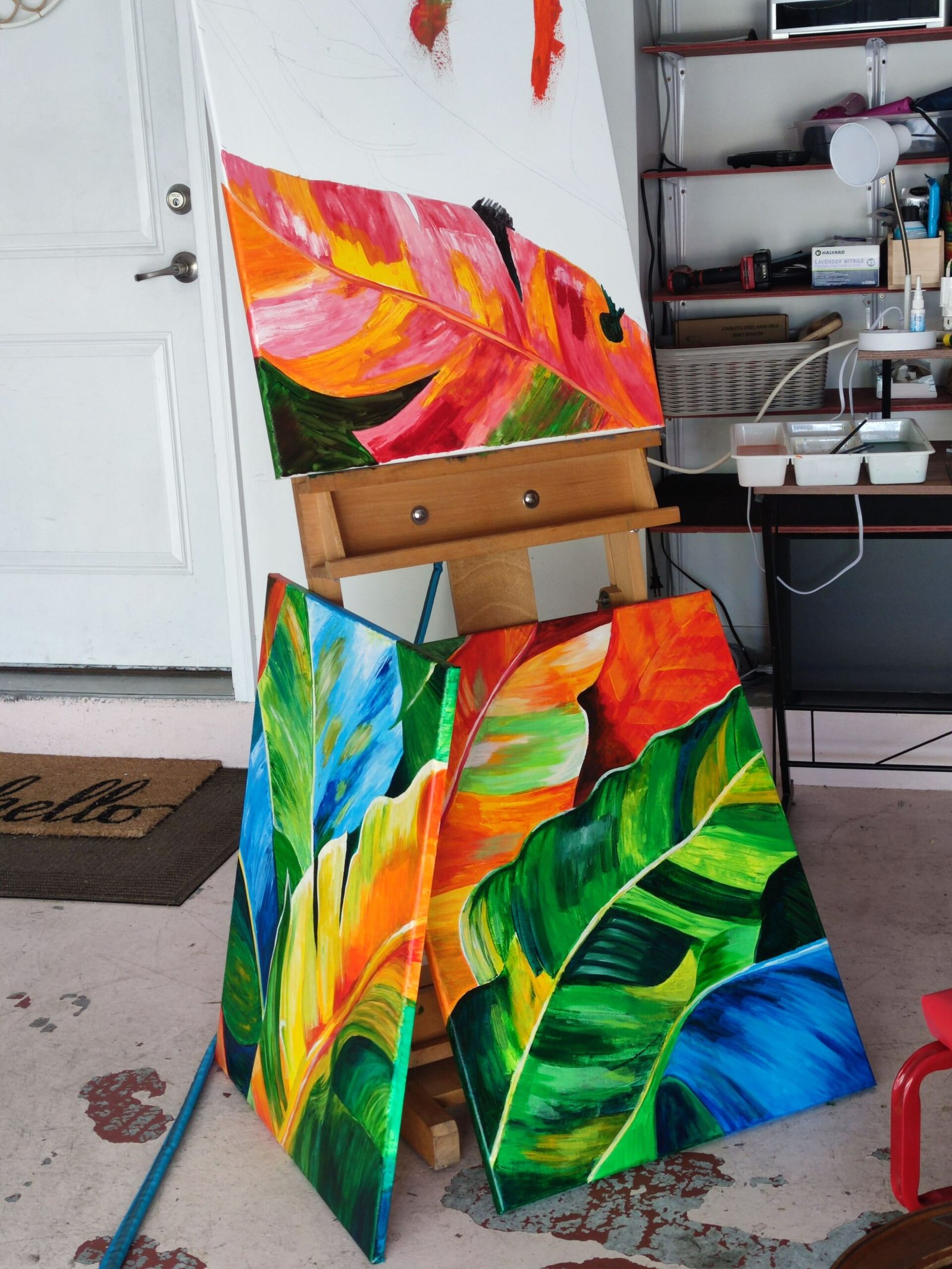
4. Composition VIII – Wassily Kandinsky
Salvador Dalí’s The Persistence of Memory, painted in 1931, is famous for its unusual melting clocks. The strange landscape creates a dreamlike atmosphere and questions our normal understanding of time and reality.this is also a top 10 modern art
5. Guernica – Pablo Picasso
Created in 1937, Pablo Picasso’s Guernica is a monumental anti-war painting inspired by the bombing of the Spanish town of Guernica during the Spanish Civil War.
Its fragmented figures, powerful expressions, and mostly monochromatic palette create a dramatic visual statement about suffering and destruction. It remains one of the most influential political paintings of the 20th century. top 10 modern art
6. No. 5, 1948 – Jackson Pollock
this is top 10 modern art of them Jackson Pollock’s No. 5, 1948 represents the revolutionary possibilities of Abstract Expressionism. Pollock became famous for his drip-painting technique, in which paint was poured, splattered, and dripped across the canvas.
His approach moved away from traditional brushwork and emphasized movement, spontaneity, and the physical process of painting.
9. No. 5, 1948 – Jackson Pollock
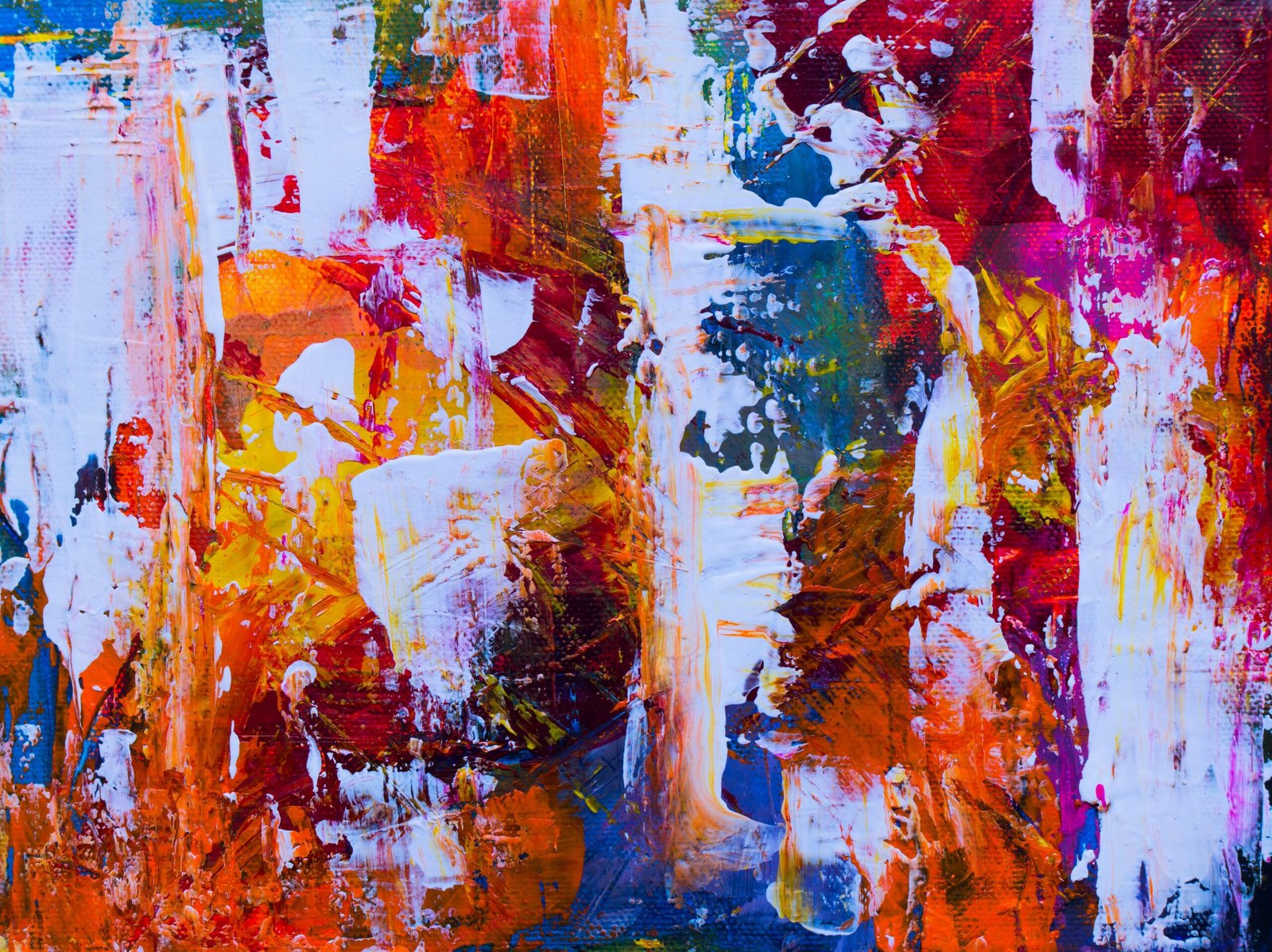
Jackson Pollock’s No. 5, 1948 represents the revolutionary possibilities of Abstract Expressionism. Pollock became famous for his drip-painting technique, in which paint was poured, splattered, and dripped across the canvas.
10. Broadway Boogie Woogie – Piet Mondrian
https://www.saatchiart.com/en-in?srsltid=AfmBOor7qf9kapN2OMHUlVAJwSBjq497y3ZDU-cWUGXesM2zSqVs1rOnPiet Mondrian’s Broadway Boogie Woogie, completed in 1943–44, uses geometric blocks and lines of color to create a rhythmic composition. Mondrian’s minimalist approach had a major influence on modern painting, graphic design, architecture, and fashion.
Modern Art – History, Features, Artists and Importance
Modern Art is one of the most influential periods in the history of painting. It introduced new ways of thinking about creativity, color, form, perspective, and artistic expression. Unlike traditional art, which often focused on realistic representation, modern artists explored personal emotions, ideas, imagination, abstraction, and the changing world around them.
What Is Modern Art?
top 10 Modern art generally refers to art created from the late 19th century through much of the 20th century. It developed during a period of major social, technological, scientific, and cultural changes.
Artists began questioning traditional academic rules and searching for new forms of expression. Instead of asking, “How accurately can I paint this object?”, many modern artists explored questions such as “How does this subject make me feel?” or “How can I represent an idea in a completely new way?”
This change transformed painting and opened the door to many new artistic movements.
When Did Modern Art Begin?
The roots of modern art are often connected with the late 1800s, particularly the development of Impressionism. Artists such as Claude Monet, Edgar Degas, and Pierre-Auguste Renoir experimented with light, color, movement, and everyday subjects.
Later artists moved even further away from traditional representation. Post-Impressionism, Expressionism, Cubism, Surrealism, Fauvism, and other movements contributed to the development of modern art.
There is no single date that marks the beginning or end of modern art because artistic movements developed gradually and often overlapped.
Major Characteristics of Modern Art
Modern art is recognized by several important characteristics:
Experimentation: Artists experimented with unusual materials, techniques, compositions, and perspectives.
Abstraction: Some artists reduced recognizable objects into lines, shapes, patterns, and colors.
Emotional Expression: Paintings were often created to communicate feelings rather than simply reproduce reality.
Bold Colors: Many modern artists used strong and unexpected color combinations to create mood and visual impact.
New Perspectives: Traditional rules of perspective and proportion were frequently challenged.
Individual Creativity: Artists increasingly emphasized personal vision and artistic freedom.
Everyday Subjects: Ordinary people, city life, advertisements, objects, and modern technology became legitimate subjects for art.
Important Modern Art Movements
Modern art includes numerous movements, each with its own approach.
Impressionism
Impressionist painters focused on light, atmosphere, color, and everyday scenes. Their loose brushwork helped capture the feeling of a particular moment.
Post-Impressionism
Artists such as Vincent van Gogh and Paul Cézanne developed ideas beyond Impressionism. Their work placed greater emphasis on structure, emotion, symbolism, and individual artistic style.
Expressionism
Expressionist artists used distortion, intense colors, and dramatic forms to communicate emotions and psychological experiences.
Cubism
Pablo Picasso and Georges Braque helped develop Cubism. Objects were broken into geometric forms and shown from multiple viewpoints, challenging traditional perspective.
Surrealism
Surrealist artists explored dreams, imagination, the unconscious mind, and unusual combinations of objects. Salvador Dalí became one of the movement’s most recognizable figures.
Abstract Art
Abstract artists moved away from recognizable subjects and focused on shapes, lines, colors, textures, and visual relationships.
Pop Art
Pop Art brought popular culture into fine art. Artists such as Andy Warhol used commercial products, celebrities, advertisements, and mass-media imagery as artistic subjects.
Famous Modern Artists
Modern art produced some of the world’s most influential artists, including:
-
Vincent van Gogh
-
Pablo Picasso
-
Claude Monet
-
Henri Matisse
-
Wassily Kandinsky
-
Salvador Dalí
-
Edvard Munch
-
Georges Braque
-
Piet Mondrian
-
Jackson Pollock
-
Andy Warhol
-
Paul Cézanne
Each artist contributed something different to the development of modern artistic expression.
Famous Modern Art Paintings
Some widely recognized works associated with modern art include The Starry Night by Vincent van Gogh, Guernica and Les Demoiselles d’Avignon by Pablo Picasso, The Persistence of Memory by Salvador Dalí, The Scream by Edvard Munch, Composition VIII by Wassily Kandinsky, Broadway Boogie Woogie by Piet Mondrian, and Andy Warhol’s Campbell’s Soup Cans.
These paintings demonstrate how different modern artists approached color, composition, emotion, politics, popular culture, and abstraction.
Why Is Modern Art Important?
Modern art is important because it changed the relationship between artists, paintings, and viewers. It demonstrated that art does not have to follow one fixed formula.
Modern artists introduced new techniques and challenged established artistic traditions. Their experiments influenced not only painting but also graphic design, photography, architecture, fashion, advertising, illustration, and contemporary art.
Modern art also encouraged viewe