

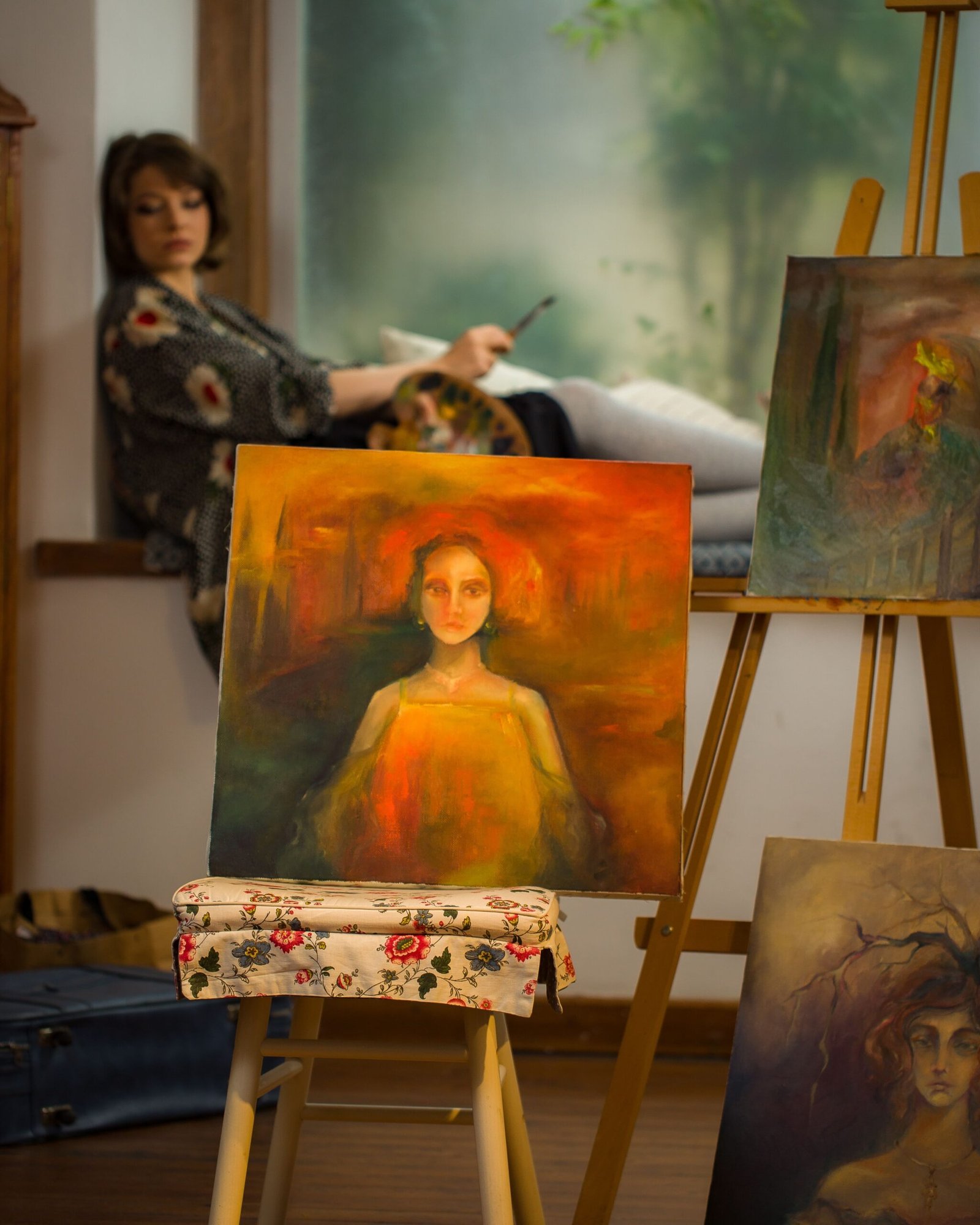
Canvas Paintings
Canvas paintings are artworks created by applying paint—most commonly oil, acrylic, or sometimes mixed media—to a canvas surface. Canvas is one of the most popular painting surfaces because it is durable, lightweight, versatile, and suitable for both traditional and contemporary artwork.
Popular Types of Canvas Paintings we have
- Oil Canvas Paintings – Known for rich colors, depth, and smooth blending.
- Acrylic Canvas Paintings – Fast-drying and versatile, making them popular for modern artwork.
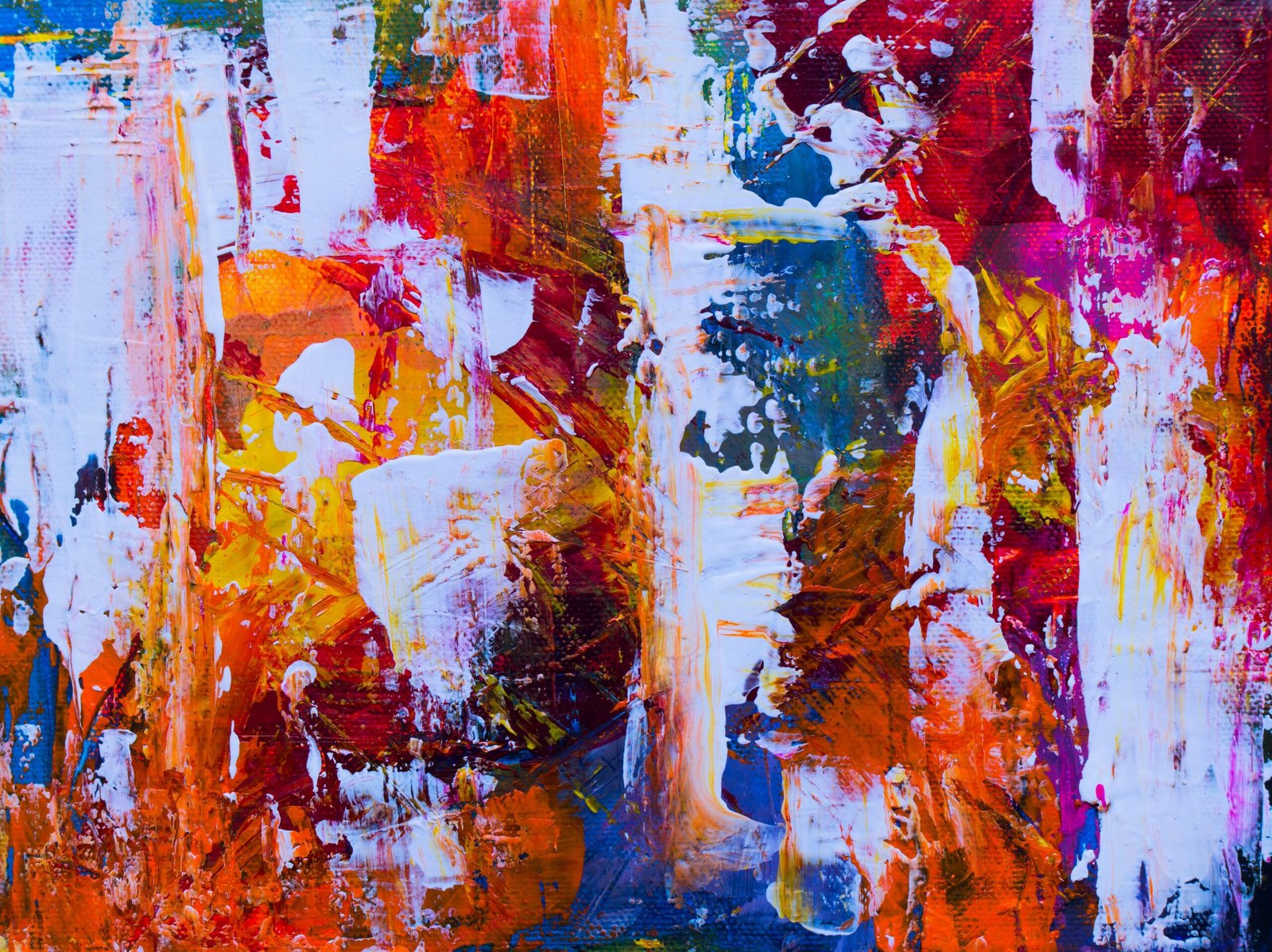
- Abstract Canvas Paintings – Use colors, shapes, lines, and textures rather than realistic subjects.
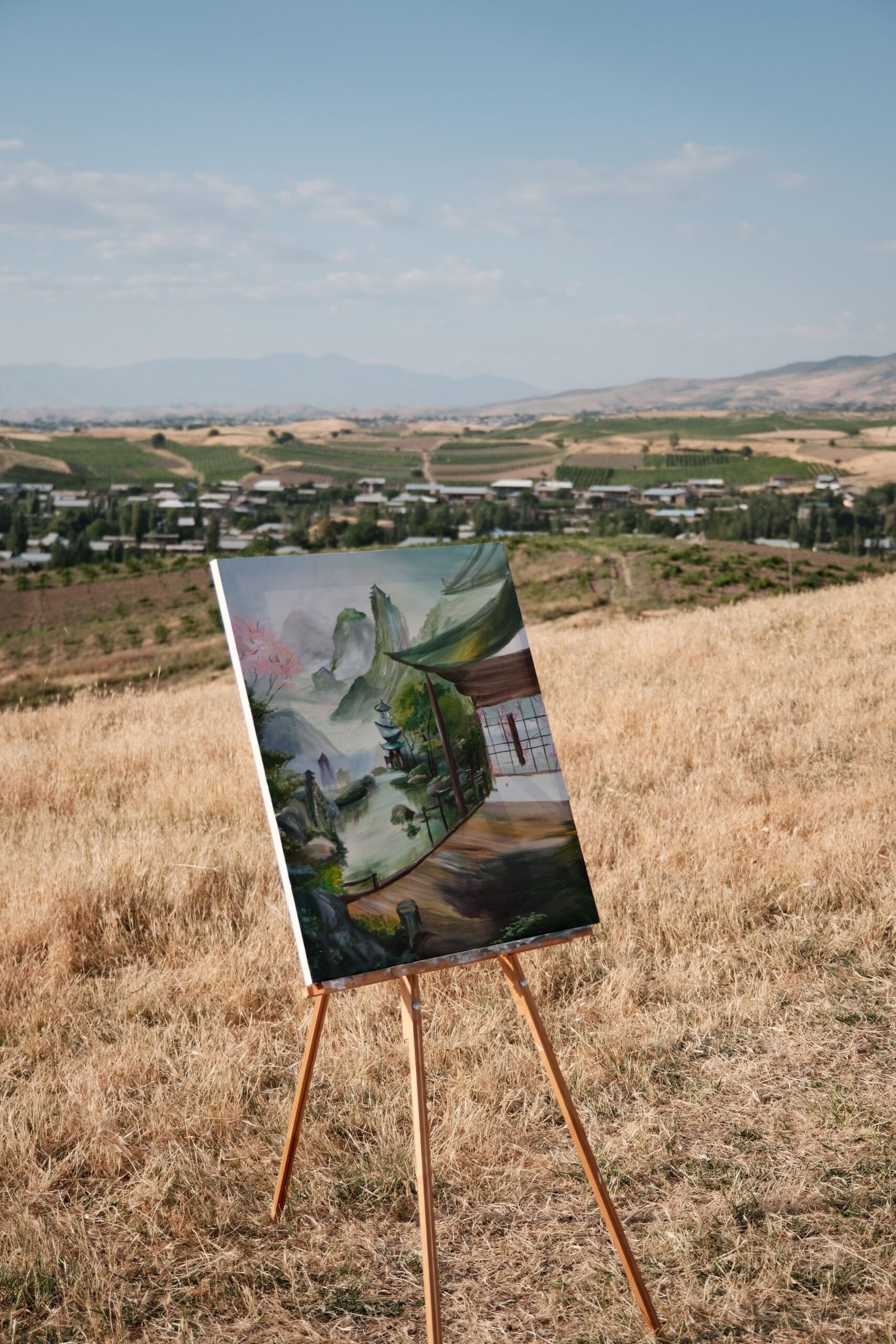
- Landscape Canvas Paintings – Depict mountains, forests, rivers, beaches, villages, and other natural scenery.
- Portrait Canvas Paintings – Focus on people, faces, personalities, and expressions.
- Floral Canvas Paintings – Feature flowers, plants, gardens, and colorful botanical compositions.
Why Choose Canvas Paintings?
Canvas paintings are popular for home decoration, offices, galleries, hotels, and creative spaces. A well-designed canvas artwork can add color, personality, and visual interest to an otherwise empty wall.
Canvas is also highly adaptable. Artists can create small decorative pieces or large statement artworks depending on the available space. Because of its strength and flexibility, canvas can support many different artistic styles.
Canvas Paintings by Miss Nidhi
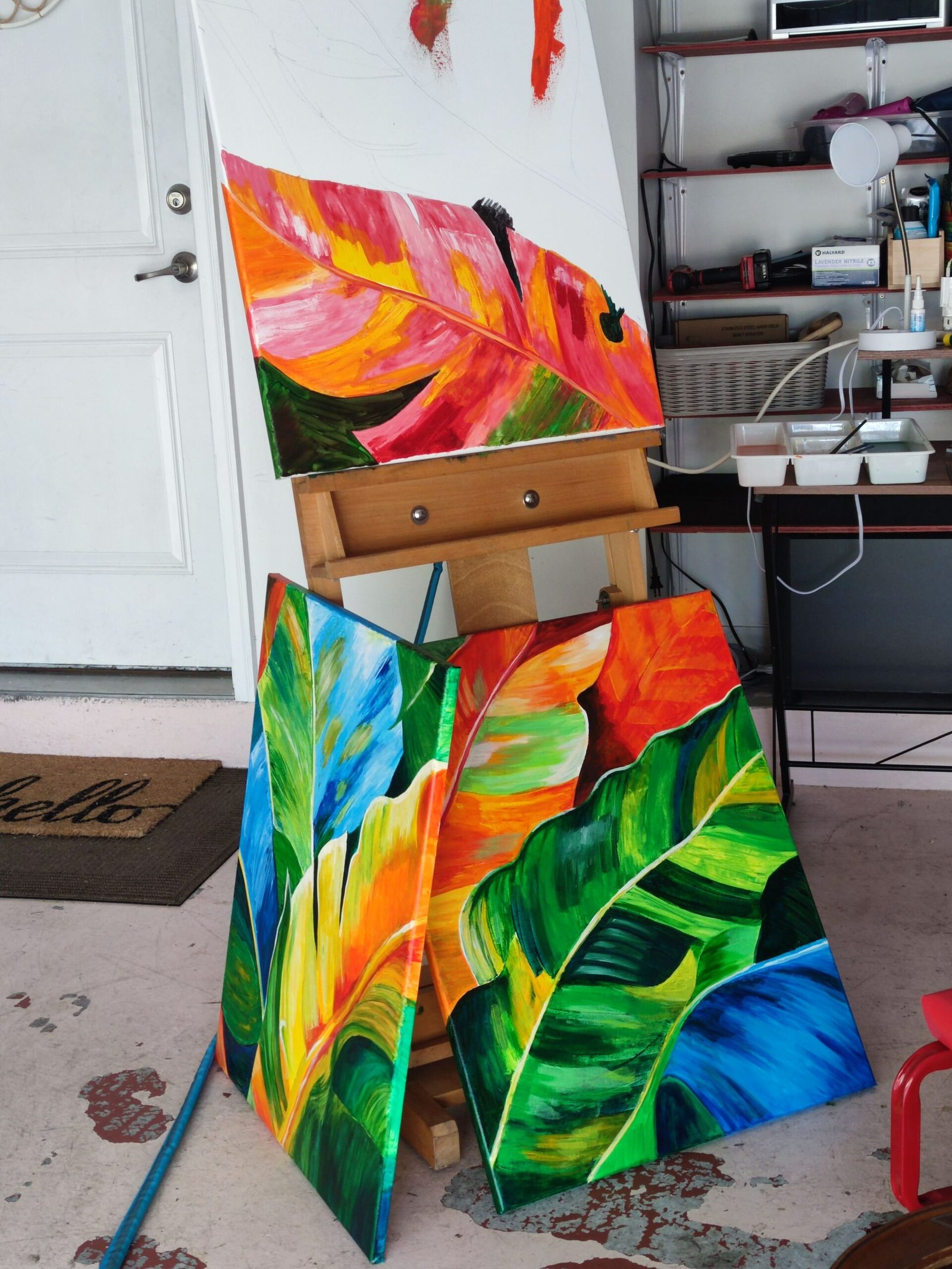
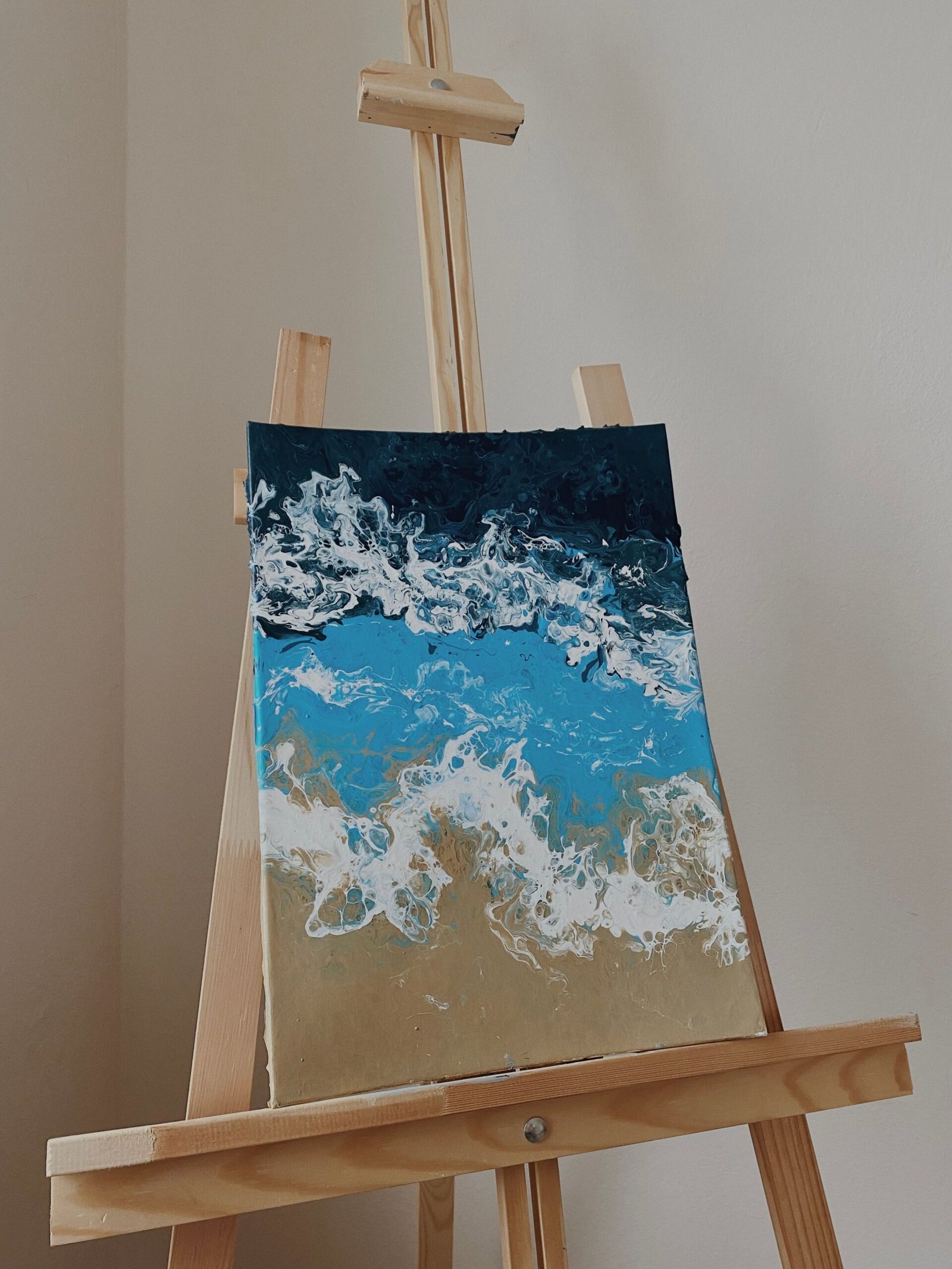
These beautiful canvas paintings are created by Miss Nidhi, showcasing her creativity, artistic expression, and passion for colors. Each painting reflects a unique combination of imagination, technique, and attention to detail. From the choice of colors to the fine brushwork and composition, her artwork brings a distinctive character to every canvas.
Miss Nidhi’s canvas paintings are created with a focus on beauty, expression, and visual harmony. The artwork can add an elegant and artistic touch to homes, offices, studios, and other spaces. Each canvas represents her individual artistic approach and makes the collection a wonderful example of creative contemporary art.
Explore these original canvas paintings by Miss Nidhi and discover the beauty of handmade artwork created with patience, creativity, and passion.
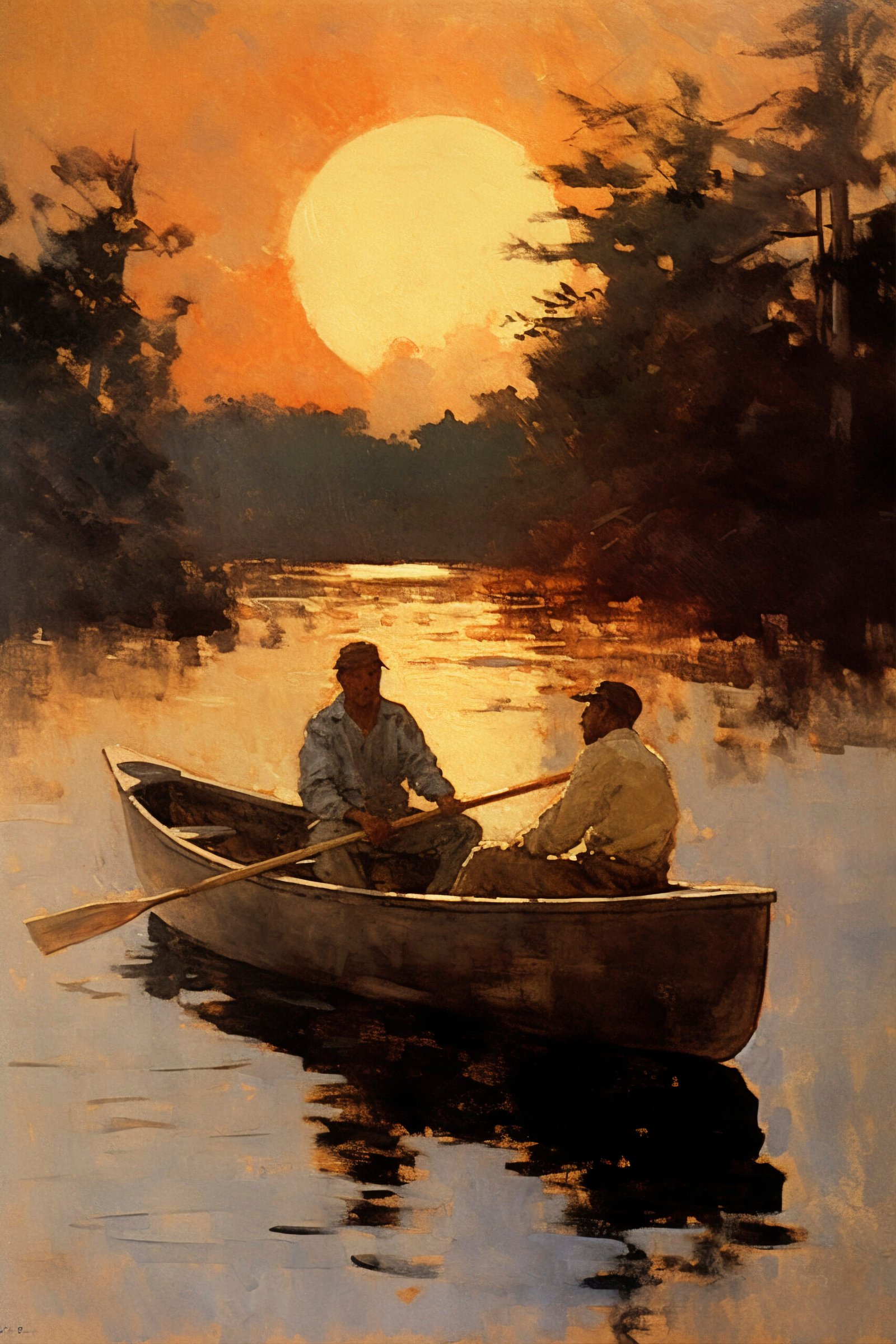
RS-499
RS-999
The Art of Canvas by Mr. Abhi
Every artwork tells a story, and the canvas paintings by Mr. Abhi bring that story to life through colors, textures, and creative imagination. His work reflects a thoughtful balance between artistic expression and visual beauty, allowing each canvas to create its own mood and personality.
Discover the collection of canvas paintings by Mr. Abhi and experience artwork where imagination meets the timeless beauty of canvas.

RS 899
Canvas paintings continue to be appreciated by artists, collectors, decorators, and art lovers around the world.
One of the most appealing aspects of canvas paintings is their handmade character. Artists spend time developing compositions, selecting colors, preparing the surface.
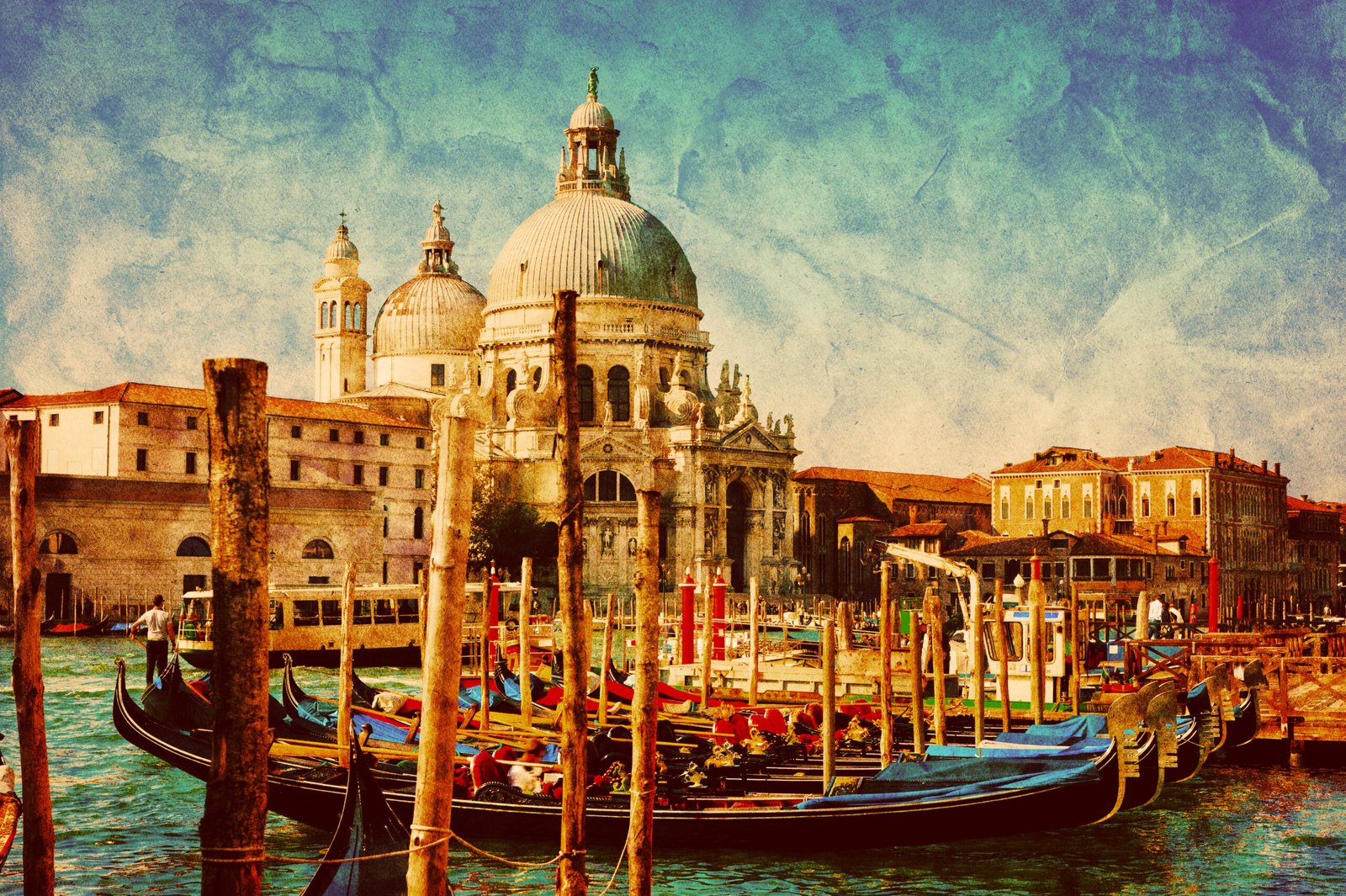
Canvas Paintings: History, Origins and Evolution
Canvas has played an important role in the development of Western painting and remains one of the most widely used surfaces for artists today. The history of canvas paintings is closely connected with the evolution of painting techniques, artistic movements, and changes in the way artists created and displayed their work.
When Was Canvas First Used?
The use of canvas as a painting surface developed gradually rather than beginning on a single specific date. Before canvas became common, artists frequently painted on wooden panels, walls, plaster, and other rigid surfaces. Fabric surfaces were also used in different forms, but their use for fine-art painting became increasingly important in Europe during the late Middle Ages and Renaissance.
Canvas offered several practical advantages over wooden panels. Fabric was lighter, easier to transport, and could be produced in much larger sizes. These characteristics eventually made canvas particularly attractive to professional artists.
The Rise of Canvas in Europe
Canvas became increasingly popular in Italy during the 15th and 16th centuries. Venetian artists played an especially important role in establishing canvas as a major painting surface. The humid climate of Venice could be challenging for wooden panels, while canvas provided a more practical alternative.
Artists began experimenting with large canvas surfaces and developed techniques for preparing the fabric before applying paint. This development helped establish canvas as an important medium for large-scale religious, historical, portrait, and decorative paintings.
Canvas During the Renaissance
During the Renaissance, artists increasingly explored realistic representation, perspective, human anatomy, light, and color. Although wood remained an important support, canvas gradually became more widely accepted.
The ability to create large paintings on relatively lightweight fabric was particularly useful for churches, palaces, public buildings, and wealthy private collections. Canvas therefore became associated with some of the most ambitious artistic projects of the period.
Canvas Becomes More Popular
During the 16th and 17th centuries, canvas became increasingly established throughout Europe. Artists in Italy, Spain, France, the Netherlands, and other regions used canvas for portraits, religious scenes, landscapes, still lifes, and historical compositions.
The development of oil painting further increased the importance of canvas. Oil paint could produce rich colors, subtle transitions, detailed textures, and layers of glazing. Canvas provided a flexible surface that worked particularly well with these techniques.
Canvas in the 18th and 19th Centuries
Canvas continued to dominate European painting during the 18th and 19th centuries. Portrait painting, landscape painting, still life, and historical art became major areas of artistic production.
During this period, artists increasingly explored personal artistic styles. The development of movements such as Romanticism, Realism, Impressionism, and Post-Impressionism brought new approaches to color, brushwork, light, and composition.
The Impressionists, for example, used visible brushstrokes and experimented with the effects of natural light. Canvas became an important surface for these new approaches to painting.
Canvas and Modern Art
The history of canvas paintings changed significantly during the 20th century. Artists began moving away from traditional realistic representation and explored abstraction, geometric forms, symbolism, expressive brushwork, and unconventional compositions.
Movements such as Cubism, Expressionism, Surrealism, Abstract Expressionism, and Pop Art demonstrated how versatile canvas could be.
Artists no longer considered canvas simply a surface on which to reproduce an image. The canvas itself could become part of the artistic concept through texture, material, scale, layering, and experimental techniques.
What Is Canvas Made Of?
Traditional artist canvas is generally made from linen or cotton. Linen has a long history in fine-art painting and is valued for its strength and durability. Cotton canvas became particularly popular because it is generally more affordable and accessible.
Before painting, canvas is normally attached to a support and prepared with a ground or primer. This preparation creates a suitable surface for applying paint and can influence the final appearance of the artwork.
Oil and Acrylic Canvas Paintings
Oil canvas paintings have been particularly important throughout art history. Oil paint allows artists to work slowly, blend colors, build layers, and create sophisticated variations in tone and texture.
Acrylic canvas paintings became increasingly popular in the modern era. Acrylic paint dries much faster than oil paint and can be used for detailed artwork, bold contemporary compositions, abstract art, and experimental techniques.
Today, artists can also combine acrylic, oil, texture mediums, collage elements, and other materials to create mixed-media canvas artwork.
Canvas in Contemporary Art
Today, canvas paintings can be found in galleries, museums, private collections, homes, offices, hotels, and creative spaces around the world. Contemporary artists use canvas for almost every imaginable subject and style.
Modern canvas artwork may include realistic portraits, colorful landscapes, abstract compositions, botanical artwork, minimalism, cultural themes, and experimental mixed-media creations.
Digital technology has also influenced contemporary artists, but traditional canvas remains highly valued because of its physical presence and handmade qualities.
Why Did Artists Choose Canvas?
Several characteristics helped canvas become so popular:
It is relatively lightweight compared with large wooden panels.
It can be produced in large sizes.
It is easier to transport.
It works well with oil and acrylic paints.
It can accommodate different painting techniques.
It can be stretched over a wooden frame.
It provides artists with considerable creative flexibility.
These advantages helped canvas move from an alternative painting support to one of the defining surfaces of Western art.
Canvas Paintings Today
From Renaissance masterpieces to contemporary abstract artwork, canvas has remained an important part of painting history. Its popularity has lasted for centuries because it combines practicality with artistic versatility.
A canvas painting can preserve an artist’s technique, imagination, emotions, and interpretation of a subject in a physical form. Whether created using traditional oil paints or modern acrylic and mixed-media techniques, canvas continues to provide artists with a dependable foundation for creative expression.
Today, when people search for canvas paintings, they can find an enormous variety of artwork—from classical-inspired paintings and realistic portraits to modern abstract canvas art. This long artistic history is one reason canvas remains such an important and recognizable part of the world of painting.